
What to Cook With Leftover Vegetables
Turn leftover cooked vegetables into dinner with a texture-and-moisture guide and flexible ideas for rice, eggs, soup, pasta, and bowls.
By Buttter ·
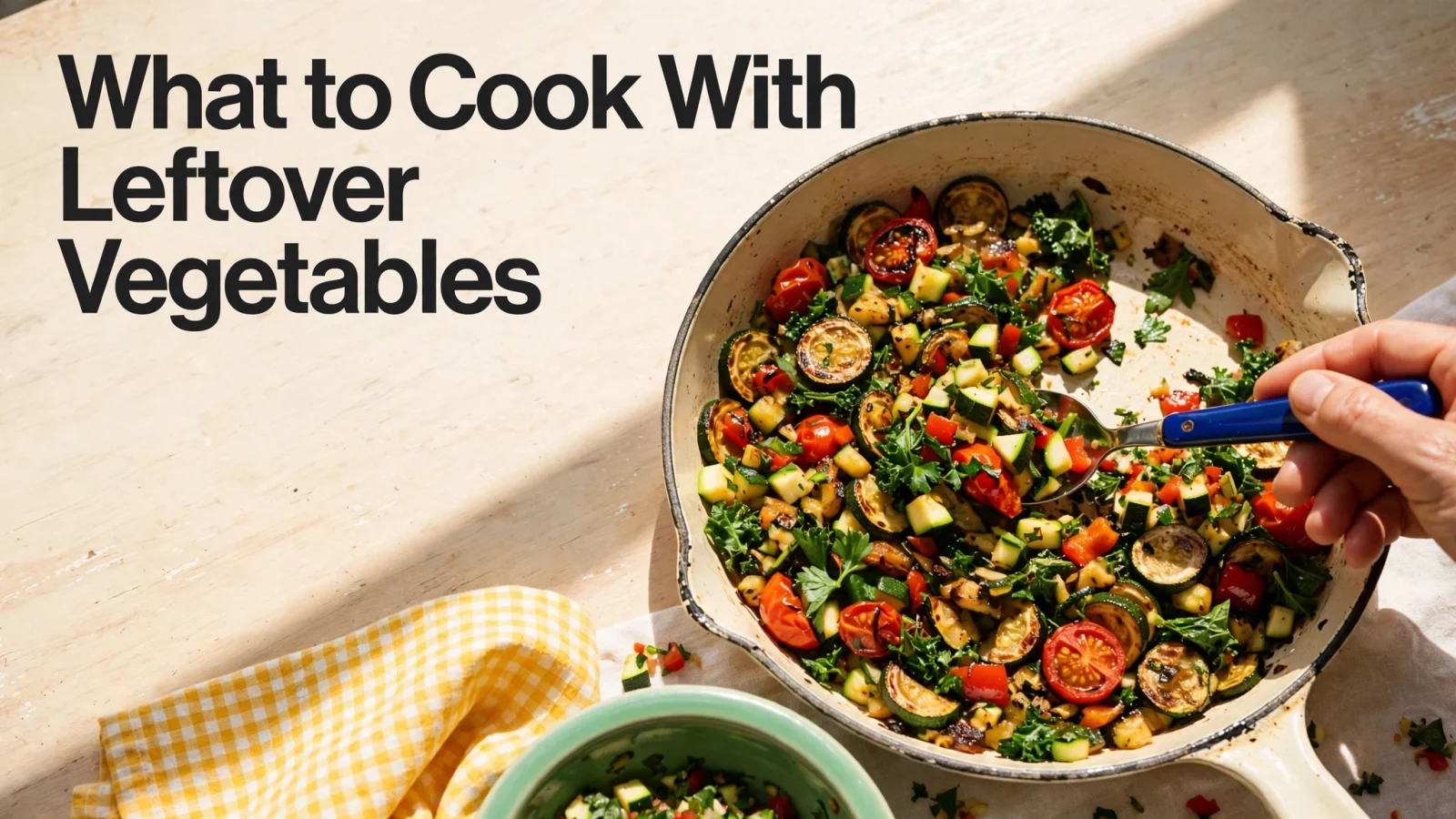
A saved food video often looks appealing on screen without offering a written ingredient list, exact quantities, or numbered steps. That missing information can leave you guessing what to cook with vegetables left over from a previous meal. Because the vegetables are already cooked, they can anchor fried rice, a morning hash, a frittata, a quick soup, or a grain bowl. The best dinner fit depends on whether those leftovers still hold their shape and whether they carry visible liquid.
Cooked leftovers need a gentler approach than raw produce. If you frequently save cooking clips from TikTok or Instagram that lack clear instructions, Buttter bridges that gap by turning supported recipe posts and videos into structured ingredients and steps right on your iPhone or iPad. Start by taking a look at the vegetables in your refrigerator.
Let Texture and Moisture Pick the Method
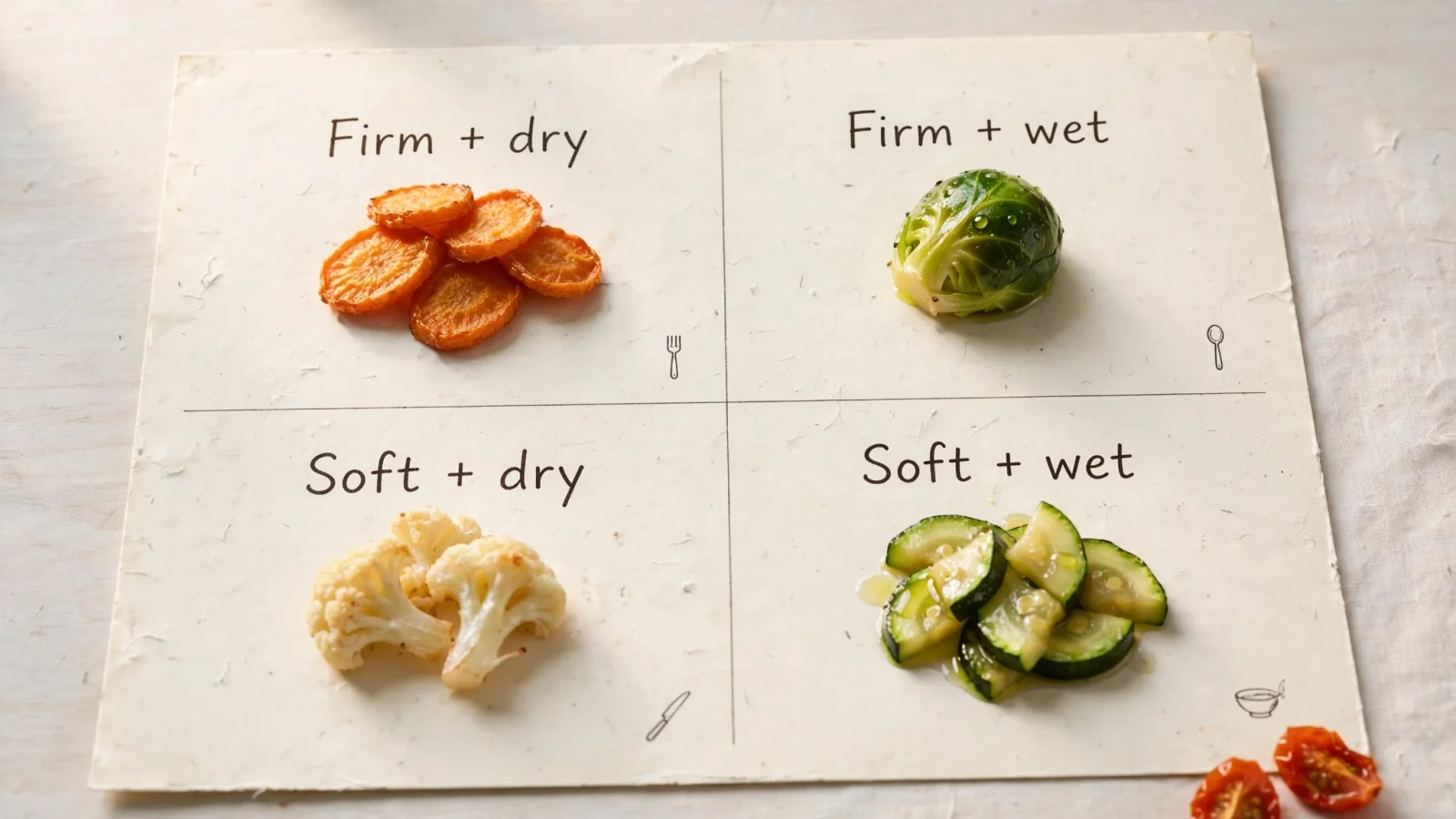
Before choosing a dinner format, check the current condition of your leftovers. Note whether the vegetables still hold their shape or feel very soft, and look to see if they are fairly dry or sitting in visible liquid. These observations point you toward a cooking method that uses those physical qualities rather than fighting them.
| Leftover vegetables | Good dinner directions | Practical move |
|---|---|---|
| Firm and fairly dry, for example, roasted potatoes, carrots, cauliflower, or broccoli | Fried rice, hash, pasta, grain bowl | Let the vegetables remain distinct; warm them briefly and add a sauce or protein. |
| Firm but wet, for example, steamed vegetables with liquid in the container | Soup, pasta, rice or noodle skillet | Drain or sauté uncovered first if the dish needs a drier result; add them near the end if they only need warming. |
| Soft and fairly dry | Frittata, pasta, grain or bean bowl | Chop if needed and fold in late, so the vegetables do not get an unnecessarily long second cook. |
| Soft and wet, such as very tender mixed vegetables | Soup, curry, stew, or pasta sauce | Use the moisture rather than fighting it; simmer, reduce, or blend. Drain or cook off liquid before using the vegetables in an egg dish. |
Moisture behaves differently depending on the pan. A splash of liquid helps a soup or pasta sauce come together quickly, but it works against a dry skillet dish. If you plan to bake a leftover vegetable frittata, water-heavy ingredients like zucchini, peppers, spinach, and mushrooms can turn the eggs watery if they release their moisture in the oven. The Kitchn’s frittata guidance advises cooking these types of vegetables before adding them to the egg mixture. You can apply that same principle to wet leftovers by heating them uncovered in a skillet until the visible liquid evaporates, concentrating their flavor and helping the eggs set firmly. Firm, dry leftovers like roasted Brussels sprouts or root vegetables need no extra reduction and can go straight into the pan.
Leftover cooked vegetables have already undergone one heat cycle. Exposing them to a long simmer or high heat will further soften their cell walls, so if they are already tender, fold them into your dish during the final minutes of cooking. This allows them to absorb warmth without dissolving into mush. If they are firm, they can handle a few minutes in hot oil to crisp the edges before you add your secondary ingredients.
Turn the Best-Fit Format Into Dinner
The decision tree points toward a general format rather than a strict recipe. Because you are starting with ingredients that are already prepared, the quantities can flex to match whatever sits in your storage container. The University of Illinois Extension’s leftovers guide suggests turning extra food into stir-fries, soups, quesadillas, or casseroles, and offers more ideas for using leftover rice and pasta. You can build on those suggestions by adapting the formats to the textures in your kitchen.
Fried Rice and Hash
Firm, fairly dry vegetables are the ideal starting point for vegetable fried rice or a breakfast-for-dinner hash. Cold, day-old cooked rice combined with chopped firm leftovers forms a textured base that will not clump in the pan. Chop the vegetables into pieces roughly the same size as your protein, whether that is cubed tofu, scrambled egg, or cooked chicken, so everything distributes evenly on the spoon.
Hash follows a similar logic but relies on sturdy leftover roasted vegetables, particularly potatoes, sweet potatoes, or squash. Heat oil in a wide skillet, add the firm vegetables, and let them sit undisturbed for a minute to build a light crust. Since the ingredients are already cooked, you only need to warm them through and re-crisp the edges before tossing them with soy sauce, sesame oil, or your preferred seasoning.
Frittatas and Spanish Tortillas
Eggs provide a neutral, protein-rich background for almost any leftover vegetable. A frittata or Spanish-style tortilla works especially well with leftover potatoes, onions, and hearty greens. Whisk your eggs in a bowl, season them, and prepare your skillet.
If your leftovers are wet, remember to cook off the excess liquid in the pan first. Once the pan is dry, spread the vegetables in an even layer and pour the beaten eggs over the top. Cook over medium-low heat until the edges set, then transfer the skillet to the oven to finish baking. This method secures the vegetables within the egg, turning a scattered half-cup of broccoli or a few slices of bell pepper into a cohesive, sliceable dinner.
Soup, Curry, or Pasta Sauce
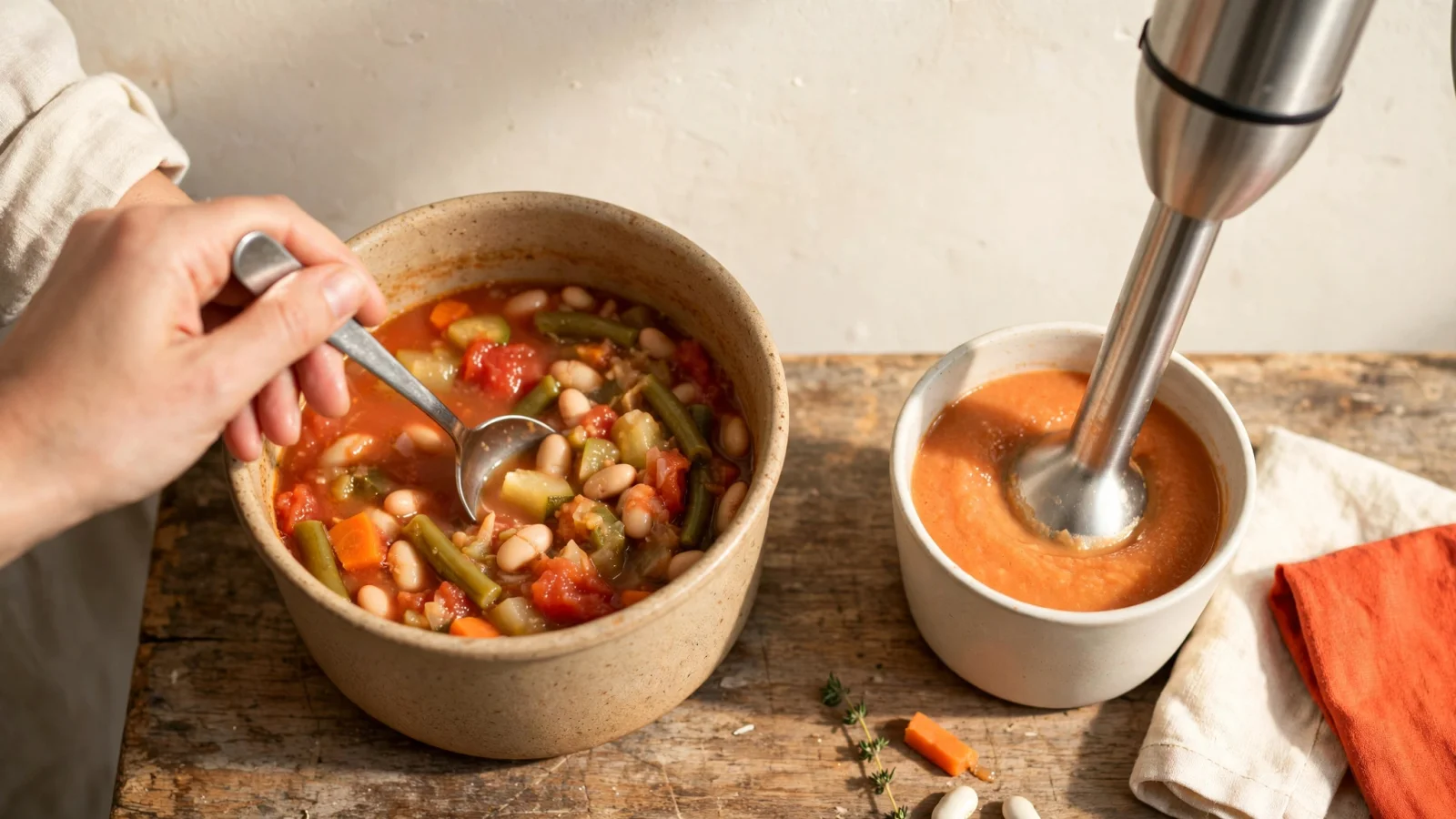
Very soft or wet leftovers find a natural home in leftover vegetable soup, a quick curry, or a simmering pasta sauce. Instead of trying to dry out mushy zucchini or overly tender eggplant, use their soft texture to thicken a broth by combining the vegetables with vegetable stock, canned tomatoes, or coconut milk.
If the vegetables are mixed and visually unappealing, blend some or all of the mixture using an immersion blender to create a smooth, creamy base. Adding a can of rinsed white beans or cooked lentils provides extra substance while the mixture simmers long enough to bring the flavors together. To quickly unify mixed leftovers from different meals, stir in a curry paste or a spoonful of miso, which covers up competing flavor profiles from their original preparations.
Pasta and Grain Bowls
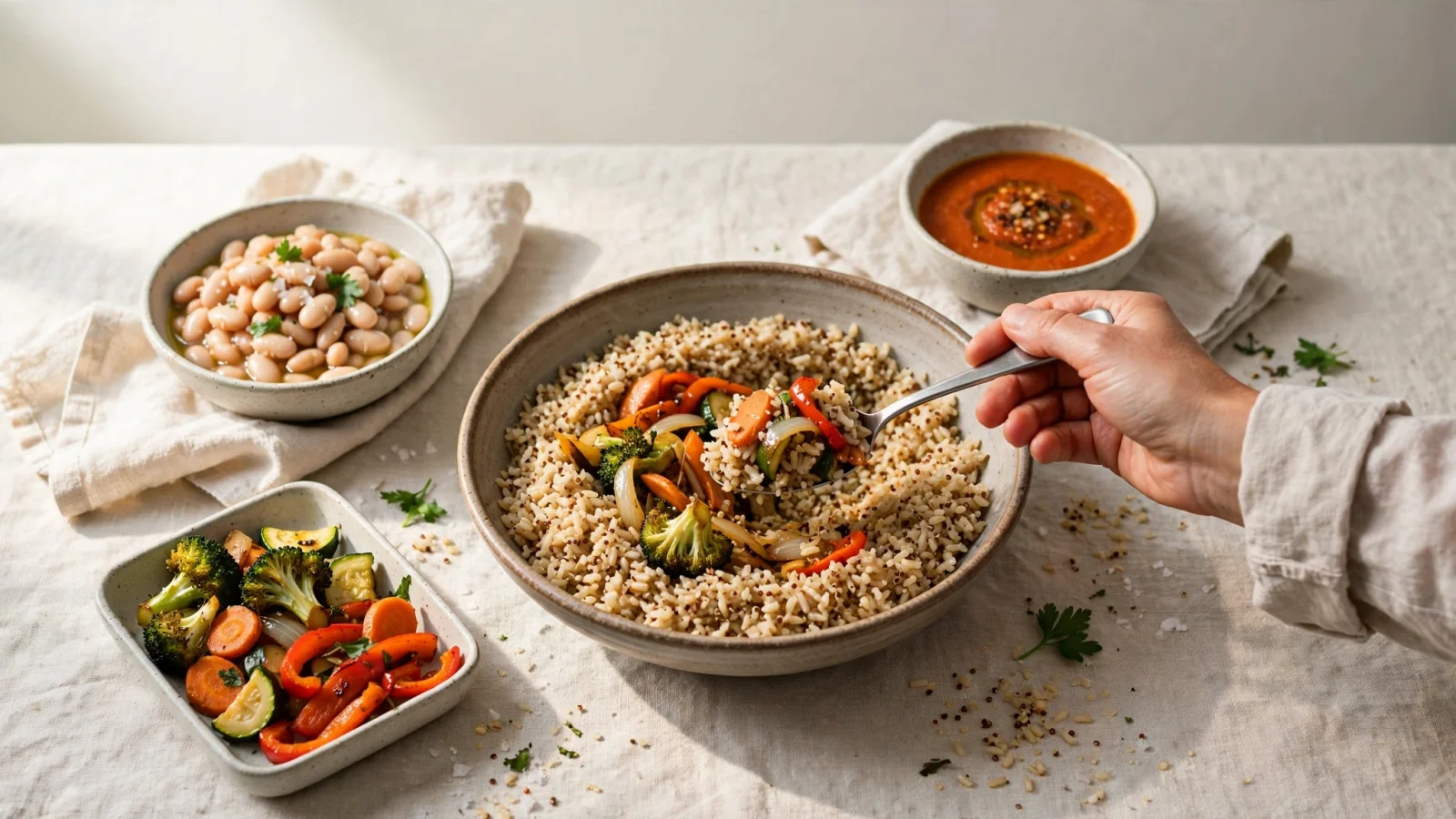
Pasta and grain bowls easily absorb soft or firm vegetables as long as you tie the bowl together with a clear flavor direction. Toss your leftovers with cooked pasta, quinoa, farro, or barley. If the vegetables are dry, a generous spoonful of pesto, a splash of seasoned olive oil, or a tahini dressing will coat the grains and add the missing moisture. If you are making pasta, emulsifying a small amount of starchy cooking water with your fat of choice creates a sauce that clings to both the noodles and the produce.
Pair the vegetables with a protein, such as white beans mixed into a one-pot chicken broccoli orzo recipe, a soft-boiled egg over rice, or flaked tuna folded into penne. The bowl format allows you to keep the components distinct, which helps when serving picky eaters who prefer their roasted carrots separated from their quinoa.
Build a Full Meal From Small Add-Ins
You do not need a massive container of leftovers to build a meal. Even a small scoop of vegetables upgrades a standard pantry dinner if you treat it as a mix-in rather than a standalone side dish. A flexible formula helps organize those smaller amounts: leftover vegetables plus a base, a protein, and a sauce or seasoning.
The base, like rice, pasta, or potatoes, provides the bulk of the meal, while a protein such as beans, eggs, or canned fish turns the combination into a filling dinner. Finally, a sauce or seasoning binds everything together and provides a dominant flavor profile. Pesto, marinara sauce, salsa, or a yogurt-herb dressing can quickly align the original seasoning of the leftover vegetables with the new dish.
When combining mixed leftovers from entirely different meals, like garlic green beans from Tuesday and chili-lime corn from Wednesday, taste them together cold before you begin cooking. Decide on one compatible seasoning direction. A bright, acidic dressing often cuts through conflicting flavors, while a rich cheese sauce can mask them entirely. Because your cooked vegetables likely absorbed salt during their first preparation, always taste the combined dish before adding more. Salting based on a raw-vegetable recipe will easily over-season the final plate.
This is where a recipe saver that understands context becomes practical. Buttter turns supported recipe posts and videos, including social media clips that lack a written recipe, into structured ingredient quantities and numbered steps. When you import an idea, the app gives you a readable format to follow. You can then scan your saved recipes for easy weeknight dinners that require a pasta or grain base, knowing you already have the leftover vegetables to fold into the final step.
Keep Cooked Leftovers Safe
Before turning cooked vegetables into dinner, check how long they’ve been in the refrigerator. According to FoodSafety.gov’s guidance for people at risk of food poisoning, you should refrigerate leftovers within two hours of cooking. If the food was served outside or in an environment where the temperature exceeds 90°F (32°C), that window drops to one hour.
Store the vegetables in airtight containers and use cooked leftovers within four days. If you reach day four and cannot use them, move them to the freezer, though freezing will further soften their cell structure and push them firmly into the soup or sauce category for their eventual use.
Use an Optional AI Prompt to Make a Plan
Sometimes the hardest part of cooking is looking at a mismatched container of food and deciding what it should become. You can copy and paste this prompt into an AI recipe generator from ingredients to get a tailored plan based on your available items and the texture of your leftovers.
Suggest a quick weeknight dinner for [servings] using these already-cooked vegetables: [list]. Their current texture and moisture are [firm and dry / tender / wet / very soft]. I also have [grain, pasta, or potato], [protein], and [sauce or seasonings]. Favor [cuisine or taste] and [dietary preference]. Use what I have first, choose a method that suits the vegetables’ texture, and give clear ingredient quantities and numbered steps.
If you want that process integrated directly into your cooking routine, Buttter can generate dish ideas right from typed ingredients or a photo of your fridge or pantry. The app matches suggestions to your taste and dietary preferences, though it does not provide guaranteed allergy screening.
Designed exclusively for iPhone and iPad, Buttter is free to download and offers an optional subscription for some AI features, though there is no Android or web version. Beyond generating ideas, it houses searchable personal cookbooks for your saved recipes, photos, and screenshots. The app automatically shows estimated nutrition, scales ingredient quantities when you change the serving size, and provides a step-by-step cook mode so your screen stays awake while your hands are busy. If you need to pick up a missing base or protein for your bowl, you can send ingredients straight to Apple Reminders, Things 3, or Todoist.
Turn your next mix of leftovers into a cookable plan. Download Buttter for iPhone and iPad to save recipes, generate ideas from the ingredients you have, and build your digital cookbook.
